
Preventative Car Maintenance & Health Checks
Spot the small stuff before it becomes a big bill
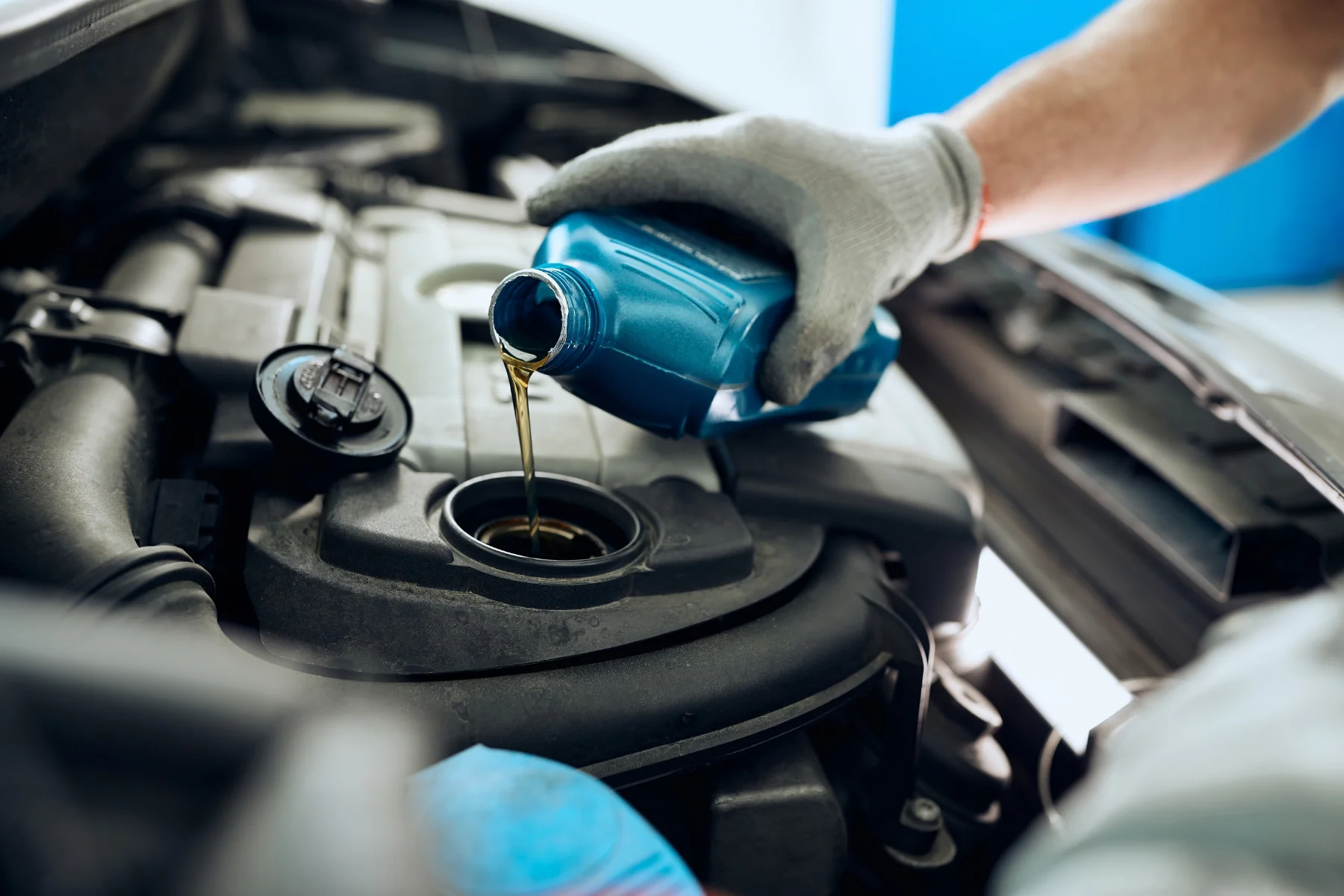
Most breakdowns don’t come out of nowhere. A weeping hose, a tired battery, cracked belts or brake fluid past its best all give warning signs if someone knows where to look. Our precautionary maintenance checks go beyond a standard service, focusing on the parts most likely to fail next based on your car’s age, kilometres and the way you drive. You get a clear, prioritised plan instead of a surprise.
How We Work
A Maintenance Plan, Not Just a Check
Traffic-Light Condition Report
We inspect brakes, belts, hoses, the cooling system, battery, suspension and underbody, and scan for early fault codes. Each item is marked green, amber or red.
Green is fine, amber is one to watch and red needs attention now. That lets you budget ahead rather than being caught out.
How You Drive Matters
GUARANTEES
From First Check to Long-Term Reliability
Clear Priorities
We tell you what's urgent and what can wait, with no pressure to do everything at once.
Approval Before Any Work
Nothing is replaced without your go-ahead and a written price.
Records on File
Every check is documented, building a history that supports reliability and resale value.
Precautionary Maintenance - FAQs
What's the difference between maintenance checks and a log book service?
A log book service follows your manufacturer’s set schedule. Precautionary maintenance looks at your car’s real condition between those services and flags wear before it becomes a problem.
How often should I get a maintenance check?
Every six months suits most drivers, or before a long road trip. Older or high-kilometre cars may benefit from more frequent checks.
Which parts most often fail without warning?
Batteries, drive belts, radiator hoses and brake components top the list. Most show early signs a trained eye can spot.
How often should brake fluid be changed?
Most manufacturers recommend every two years. Brake fluid absorbs moisture, which lowers its boiling point and can reduce braking performance.
How long does a car battery last in Melbourne?
Typically three to five years, though summer heat and lots of short trips can shorten that. We test battery health at every check.
Is preventative maintenance worth it on an older car?
Yes – often more so. Older cars have more parts nearing the end of their life, and catching them early keeps running costs predictable.
Can you check my car before a road trip?
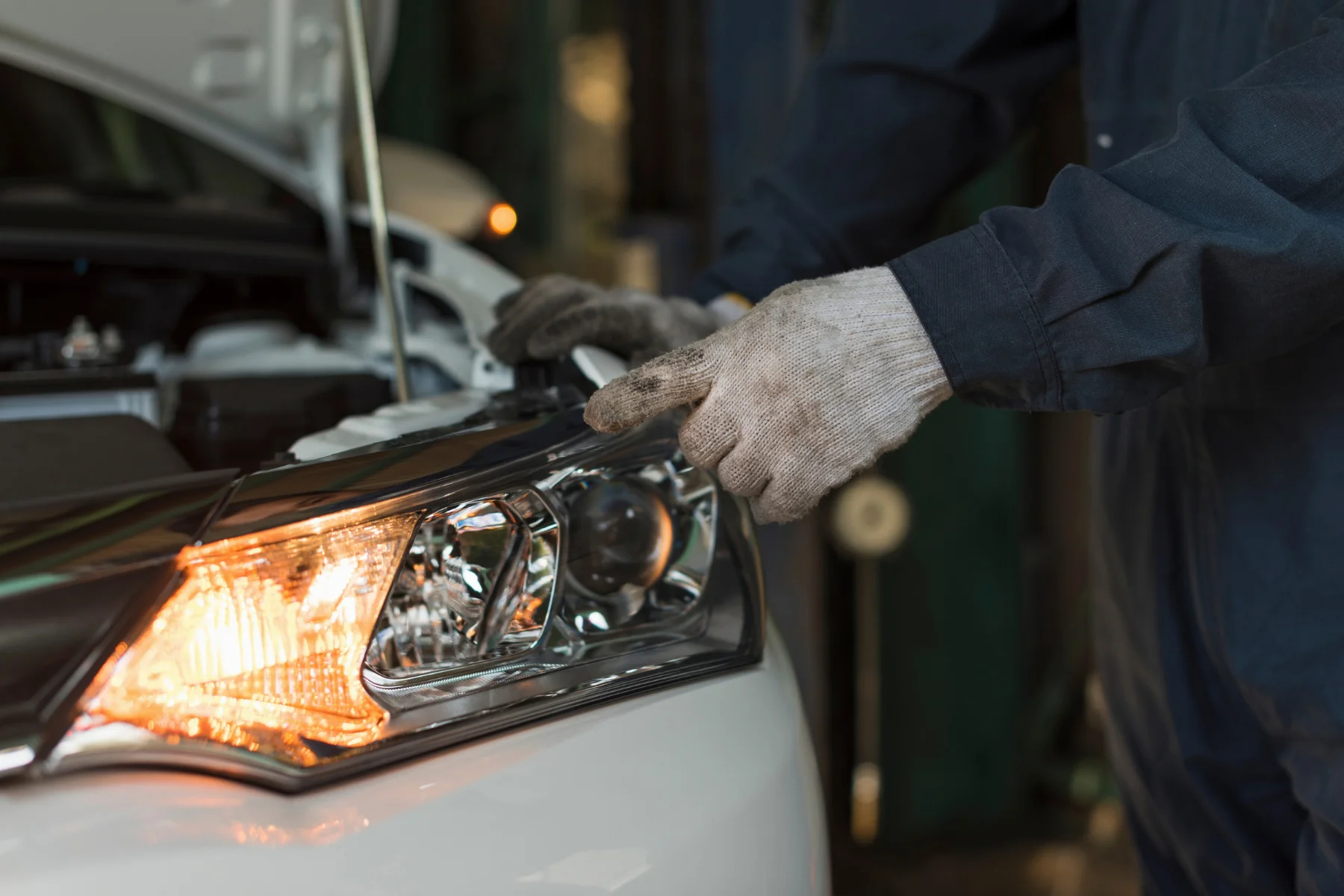
Absolutely. We’ll look over tyres, brakes, fluids, lights and the cooling system so you set off with confidence.
What if you find something that needs fixing?
You’ll get a clear explanation and a quote, and you decide what goes ahead. For complex faults, we may recommend a full diagnostic.